GS1 Sunrise 2027 and the Move to 2D Barcodes: What It Means for Southern African Manufacturers
For more than 50 years, the familiar 1D barcode—UPC or EAN—has been the backbone of global retail and supply chains. It revolutionised checkout speed, inventory visibility, and global trade. But in an era defined by digital transformation, transparency, and data‑driven decision‑making, the traditional barcode has reached its limits.
That is why GS1, the global standards organisation behind barcodes, has launched Sunrise 2027—a global initiative driving the transition from 1D barcodes to 2D barcodes powered by GS1 standards. This shift represents one of the most significant changes to product identification since the first barcode scan in 1974.
Across Southern Africa, manufacturers, brand owners, and retailers are facing increasing pressure to improve traceability, meet international trading requirements, and deliver greater transparency to consumers. From FMCG and pharmaceuticals to mining supplies and industrial goods, supply chains are becoming more data‑driven and digitally connected.
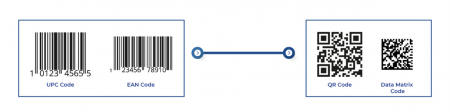
Against this backdrop, GS1 Sunrise 2027 marks a major shift in how products are identified and managed globally. The initiative supports the transition from traditional 1D barcodes (EAN/UPC) to 2D barcodes powered by GS1 standards, such as GS1 DataMatrix and QR Codes with GS1 Digital Link. By the end of 2027, retail point-of-sale (POS) systems worldwide are expected to be able to scan these next-generation codes.
For Southern African businesses trading locally and internationally, this change is not optional—it is becoming a competitive and compliance requirement.
Why GS1 Sunrise 2027 Matters in Southern Africa
Southern African markets are deeply connected to global supply chains. Local manufacturers export to Europe, the UK, the US, and Asia, while retailers increasingly source products internationally. Many of these markets are already moving toward stricter traceability, product transparency, and digital product identification.
Traditional 1D barcodes were designed for price look‑up only. They encode a product identifier (GTIN) but cannot distinguish between batches, expiry dates, or serialised items. In contrast, 2D barcodes can store significantly more data in a compact symbol, enabling:
- Batch and lot identification
- Expiry or production dates
- Serialisation and authentication data
- Links to digital product information
- Supply‑chain and regulatory data
This is particularly relevant in Southern Africa, where sectors such as food, pharmaceuticals, mining, and chemicals must manage shelf‑life, recalls, and safety information across complex distribution networks.
GS1 Digital Link: Connecting Physical Products to Digital Data
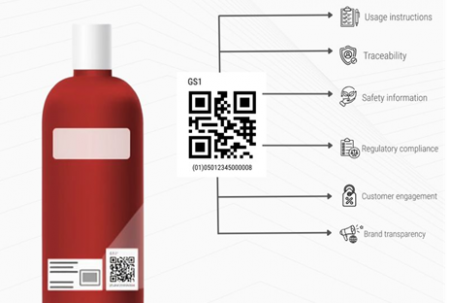
A key enabler of the 2D transition is GS1 Digital Link. This standard allows a GS1-compliant 2D barcode to function as a structured web link, linking a product’s GTIN to online data via a URL.
What makes GS1 Digital Link powerful is that the same barcode can serve multiple audiences:
- Retail and warehouse systems retrieve price, expiry, or recall status
- Supply‑chain systems access traceability and logistics information
- Consumers scan the code with a smartphone to view brand‑approved product details
For Southern African brands, this means one barcode can support local compliance, export requirements, and consumer engagement—without adding multiple QR codes or labels to packaging.
A key enabler of the 2D transition is GS1 Digital Link. This standard allows a GS1-compliant 2D barcode to function as a structured web link, linking a product’s GTIN to online data via a URL.
What makes GS1 Digital Link powerful is that the same barcode can serve multiple audiences:
- Retail and warehouse systems retrieve price, expiry, or recall status
- Supply‑chain systems access traceability and logistics information
- Consumers scan the code with a smartphone to view brand‑approved product details
For Southern African brands, this means one barcode can support local compliance, export requirements, and consumer engagement—without adding multiple QR codes or labels to packaging.
How the Transition Will Unfold
GS1 Sunrise 2027 is a phased transition, not a “switch‑off” date:
- Now to 2027: Dual marking is recommended for products to carry both a 1D barcode and a GS1‑compliant 2D barcode
- By the end of 2027: Retail POS systems should be able to scan either code
- Beyond 2027: Businesses may move to a single 2D barcode where trading partners are ready
This phased approach is particularly important in Southern Africa, where different retailers and industries will adopt 2D at different speeds.
How TracePack is helping Southern African Manufacturers Prepare for GS1 Sunrise 2027
The move to GS1‑compliant 2D barcodes is not just a packaging update — it impacts production lines, quality systems, traceability processes, and operational visibility. Successfully navigating Sunrise 2027 requires solutions that are aligned with GS1 standards and practical for real‑world manufacturing environments.
TracePack is a GS1 Alliance Partner, working in alignment with GS1 standards and best practices to support businesses through this transition. This partnership reinforces TracePack’s role in helping Southern African manufacturers and brand owners implement compliant, future‑ready identification and traceability solutions with confidence.
GS1 Compliant Coding and Marking Solutions
TracePack supplies industrial coding and marking systems capable of reliably marking high‑quality GS1 DataMatrix and GS1 Digital Link QR codes on primary and secondary packaging. These solutions are designed for demanding production environments, ensuring:
- Consistent print quality at production line speeds
- Alignment with GS1 specifications
- Barcode readability from the factory floor through distribution and retail
This enables seamless dual‑marking during the transition period and prepares operations for a full 2D future.
Machine Vision for Code Verification and Quality Control
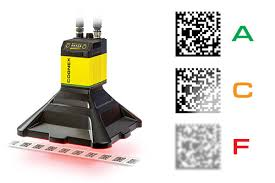
As 2D barcodes carry more critical data, verification is essential. TracePack integrates advanced Machine Vision solutions that inspect and validate each code in real time. These systems:
- Verify GS1 DataMatrix and GS1 Digital Link QR code structure
- Grade barcode quality to international standards
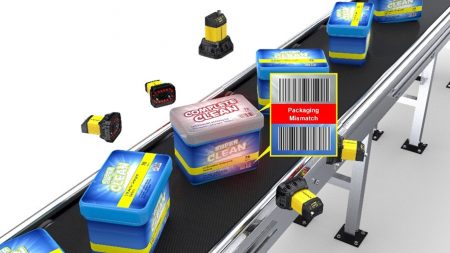
- Detect missing, damaged, or incorrectly printed codes
- Automatically reject non‑compliant products
Machine Vision ensures issues are identified immediately, protecting downstream scanning performance and retailer compliance as 2D adoption accelerates.
Production Monitoring for Real Time Visibility
GS1 Sunrise 2027 is fundamentally about enabling better data across the value chain. TracePack complements coding and vision systems with Production Monitoring solutions, delivering real‑time insight into manufacturing performance. This includes:
- Live dashboards for line performance and throughput
- OEE, downtime, and efficiency analysis
- Root‑cause visibility linked to coding or quality events
- Reduced waste and improved line utilisation
This data‑driven approach is particularly valuable for Southern African operations focused on maximising uptime, consistency, and export competitiveness.
Enabling End to End Traceability
By combining GS1‑compliant 2D barcodes, Machine Vision verification, and Production Monitoring, TracePack enables a closed‑loop traceability framework. This supports:
- Accurate batch and lot tracking
- Faster, more targeted recalls
- Improved regulatory compliance
- Stronger brand protection and product authenticity
These capabilities align directly with GS1’s global vision of connecting physical products to reliable digital information throughout their lifecycle.
Practical, Phased Migration Support
Recognising that adoption timelines will vary across Southern African industries, TracePack works with customers to:
- Assess existing 1D barcode infrastructure
- Plan a phased transition to 2D barcodes
- Support dual‑marking during the transition period
- Ensure systems are future‑ready for Sunrise 2027
This practical, step‑by‑step approach helps Southern African businesses reduce risk, avoid disruption, and gain value from the transition early.
Turning Compliance into Competitive Advantage
For Southern African organisations, GS1 Sunrise 2027 should not be seen as a regulatory burden. When implemented correctly, 2D barcodes unlock:
- Better inventory control and reduced waste
- Faster, more targeted recalls
- Improved product authenticity and brand protection
- Enhanced consumer trust and engagement
With the right technology partner, the move to 2D becomes a growth opportunity rather than a last‑minute scramble.
Preparing Now for Sunrise 2027
The timeline may seem distant, but packaging cycles, equipment upgrades, and system changes take time. Businesses that act now will be better positioned to meet retailer expectations, support exports, and modernise their operations.
TracePack helps Southern African businesses move beyond basic barcoding—toward smarter, connected, GS1‑compliant product identification.